


ISTEP’s teaching philosophy is grounded in an integrated, collaborative approach that embeds professional and transdisciplinary competencies directly within the core engineering curriculum to enhance knowledge transfer and innovation in practice. Rather than isolating so‑called “soft skills,” ISTEP works closely with engineering departments—often through design and team‑based courses—to weave communication, leadership, socio‑technical thinking, business and entrepreneurship, and lifelong learning into technical curricula in connected and discipline‑specific ways.
This integration enables students to develop these skills in authentic engineering contexts while benefiting from partnerships between ISTEP instructors and faculty across programs. Complemented by elective courses and co‑curricular opportunities, ISTEP’s flexible model supports both a common foundation for all undergraduate engineering students and enriched pathways for those seeking deeper engagement.
ISTEP’s Curriculum and Course Integration Approaches
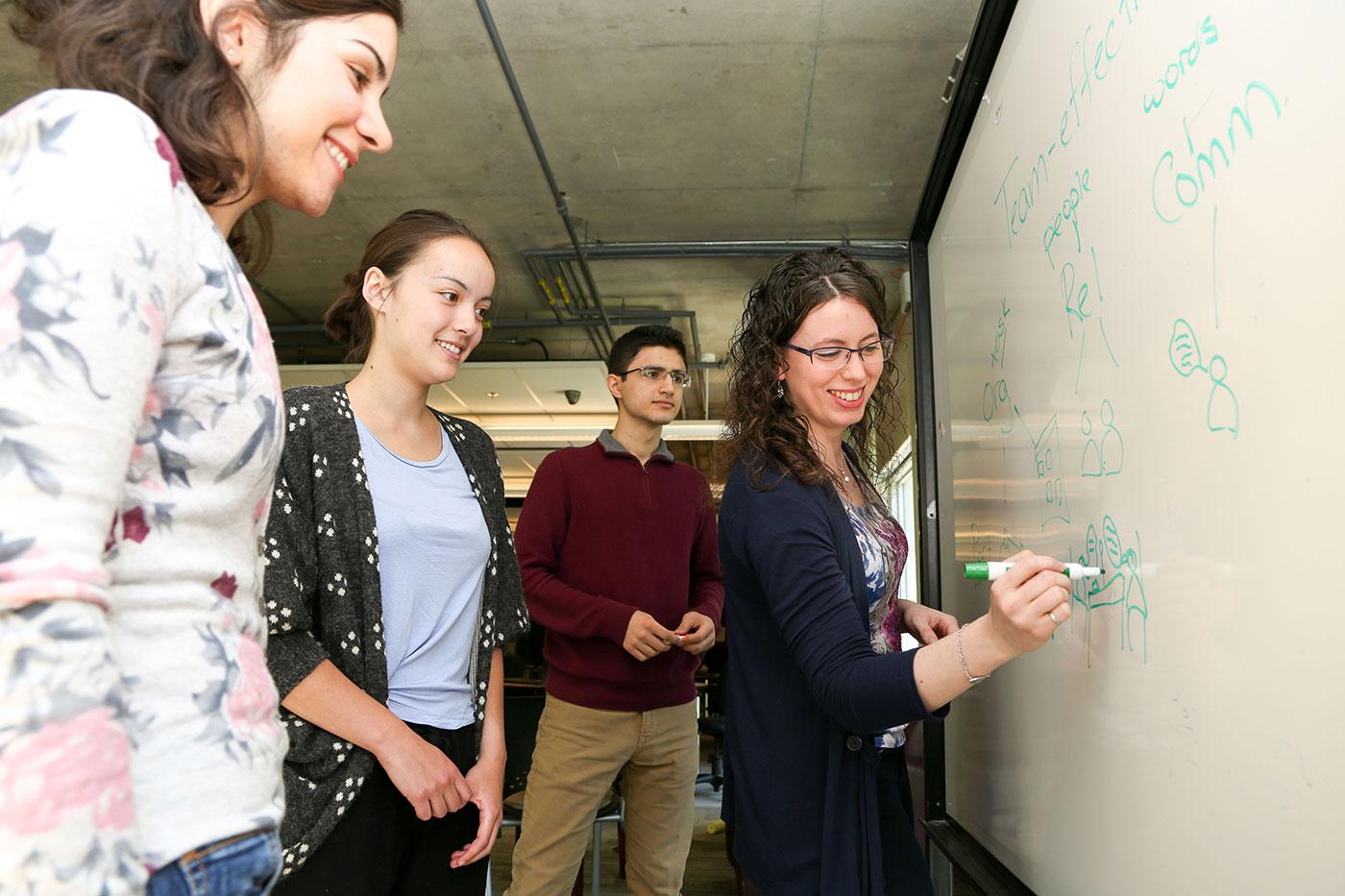
ISTEP partners with departments to embed communication, teamwork, leadership, socio-technical thinking and other transdisciplinary competencies directly into the core curriculum through integration in design‑focused courses, and standalone courses.
We use a number of different approaches to tailor instruction in these courses to the disciplinary needs of the students as well as the accreditation requirements of the departments. We do this through:
Co‑Instruction and Embedded Teaching
Through shared lectures, studios, tutorials, and facilitated activities, ISTEP faculty work alongside engineering instructors and TAs to support student learning in authentic, team‑based engineering contexts.
Example: First Year Engineering Design and ECE295/297
Assignment, Project, and Assessment Design
ISTEP collaborates with instructors to co‑develop design projects, deliverables, rubrics, and reflective or portfolio‑based assignments that integrate professional skills into technical learning and accreditation priorities.
Example: MIE240 Professional role-based assignments
Teaching Team Development
ISTEP strengthens instructional capacity by training and mentoring graduate student TAs and specialized instructional roles, supporting consistent, high‑quality delivery of integrated learning experiences.
Example: Team and Communication Instructors (TCIs) in MIE315, BME489 and BME498.
Student Professional Formation
ISTEP supports students’ development of professional identity through portfolios, reflection, communication coaching, and formative feedback that connects coursework to engineering practice and career preparation.
Example: Portfolio Assignments in the Mechanical Engineering Design Spine.
Discipline-based Courses
In collaboration with academic departments, ISTEP designs and delivers comprehensive courses that support the development of professional skills while aligning with the practices and methodologies of the discipline.
Example: CME259 and CIV282
Upper‑Year and Capstone Support
In advanced courses and capstone projects, ISTEP focuses on coaching, facilitation, and assessment support, helping students develop their transdisciplinary competencies to make their complex design work more effective and relevant.
Example: MIE490/491 and APS490
Course Infusion
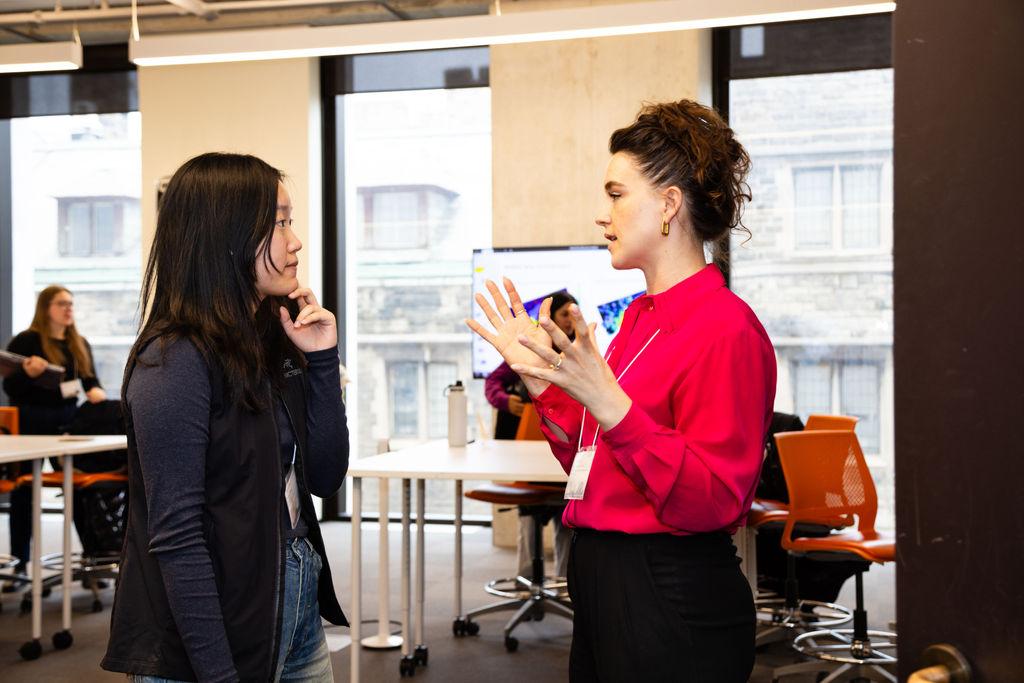
ISTEP also offers Course Infusion — the strategic and customized integration of standalone lectures or workshops (e.g., team dynamics skills and content) within an academic course – through Troost ILead.
Through consultation with instructors, ILead develops and delivers leadership development curriculum based on the identified needs of the students and the course’s learning objectives.
What Does Course Infusion Look Like In The Classroom?
- TA Training (e.g., Facilitating Feedback & Debrief Conversations)
- One-time Workshops (Topics can include: workstyles, team dynamics, providing effective feedback)
- Bookending a course (framing leadership learning and reflection expectations for the course)
- Leadership Lecture(s)
- Administering team dynamics assessments (e.g., ITP Team Health)
Interested in Course Infusion for your course? Contact jennifer.galley@utoronto.ca
Example Collaborations
ISTEP and engineering faculty jointly teach design alongside communication, teamwork, and leadership. Through close collaboration and shared instruction, this integrated approach helps students develop transdisciplinary skills within authentic engineering contexts throughout their programs.
APS111/112
Engineering Strategies and Practice
APS111/112 Engineering Strategies and Practice uses an integrated interdisciplinary pedagogy built around three interdependent pillars—engineering design, communication and teamwork—taught by a coordinated instructional team that includes ISTEP faculty and design TAs.
While instructors bring pillar‑specific expertise and clear responsibility for assessment, these areas are intentionally blended through collaborative teaching practices, shared mentoring and integrated assignments that reflect how design, communication and teamwork coexist in engineering practice, such as unified reflective work, design‑linked communication tasks, and collaborative writing models that position persuasive, team‑based argumentation as a unifying learning goal.
ESC101/102/204
Praxis I, II and III
The Praxis I, II, and III courses form the foundational design sequence of the Engineering Science program, defining praxis as the critical, co‑constructive integration of theory and practice through progressive, project‑based learning.
Spanning first year through the second term of year two, the sequence introduces and deepens students’ abilities in engineering design, communication, teamwork, professionalism, and complementary considerations such as ethics, equity, and sustainability, using open‑ended design challenges ranging from campus‑based projects to community‑engaged and globally contextualized work.
Through active lectures, interactive studios, and hands‑on design projects, students develop their engineering identity, learn to work effectively in teams, and integrate technical and transdisciplinary knowledge, culminating in public showcases for Praxis II and III.
Praxis I and II are co‑taught by Engineering Science and ISTEP/ECP faculty with deliberately integrated instructional roles, while Praxis III is led by a multidisciplinary teaching team including joint‑appointed ISTEP faculty, reflecting the inseparability of design and communication in real engineering practice.
MIE Design Spine Integration
ISTEP faculty also collaborate with engineering programs to embed targeted learning activities across the curriculum to enable student growth as they progress through their degrees. These partnerships can include departmental portfolios or skills “spines,” relying on close, sustained collaboration to align communication, teamwork, professionalism, and lifelong learning with disciplinary contexts. In MIE, ISTEP faculty work across design courses in years 2-4 of study, to enable progression and development of transdisciplinary skills in a way that is embedded within the core curriculum.
Student Testimonials
“This course allowed me to learn about myself in a safe environment such that I felt comfortable sharing my personal growth. I have never had a course which made me want to give my professor a hug after the final lecture. This course is truly something special.”
“It also allowed me to understand science communication in the aspects that impact my life and allowed me to look at the media I consume through a more analytical framework.”
“I overall feel like in this course, the idea of a ‘flipped classroom’ succeeded in ways no other ‘flipped classroom’ has in the past – throughout my entire educational career.”
“The material provided me with a deeper understanding of the scientific process and how this relates to communication with the public.”
“Prof created an environment where everyone felt comfortable to share their thoughts.”
“All the Profs were incredibly interesting people and the course is arguably the most valuable course at the university because of the opportunities it provides.”
“One of the best courses I have ever taken. It was so memorable and I took a lot of profound insights out from it.”